
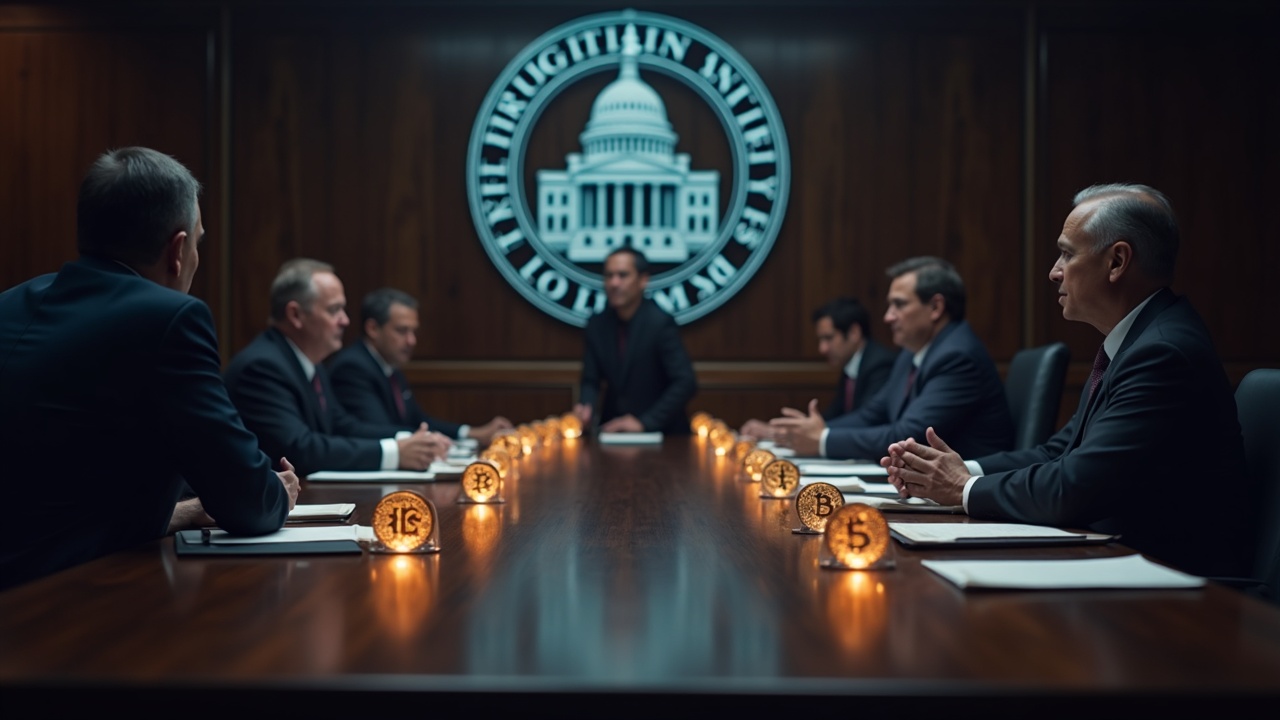
The U.S. Senate Agriculture Committee voted to advance a bill on cryptocurrency market structure, bringing the measure out of committee for the first time in the Senate. The vote marks a key step toward the eventual regulation of cryptocurrencies and digital assets.
The U.S. Senate Agriculture Committee drafted legislation that would expand the CFTC’s oversight of certain cryptocurrency trading spaces and codify definitions for digital assets, blockchain, and decentralized finance.
Its proponents in the Senate argue that the changes could standardize terminology and streamline compliance among exchanges and market participants, bringing greater certainty and providing a theoretical and regulatory framework for the market. Meanwhile, opponents argue that the scope of the bill and the chosen oversight framework risk leaving important consumer protection and banking system issues unresolved.
Democrats unanimously opposed the measure, citing what they described as deregulatory loopholes and ethical concerns. An amendment proposed by Senator Michael Bennet to prohibit federal officials and their families from issuing or backing digital assets was rejected by the committee.
A Partisan Battle in the Senate
One of the key issues to consider is that the regulation of digital assets in the United States is taking place at a complex moment between the two major political parties. The markup highlighted a deeper policy divide between traditional banking interests and the crypto industry.
Banks lobbied for restrictions on stablecoin yields and reward programs, arguing that these features pose systemic and consumer protection risks. Meanwhile, the White House has intervened to mediate talks between bank lobbyists and crypto executives, emphasizing how the economics of stablecoins will shape subsequent negotiations.
The bill now moves to the Senate Banking Committee, where discussions are expected to be equally rigorous, with a draft bill containing more contentious provisions, particularly those addressing stablecoin yields and overlaps with banking.
Investors are now turning their attention to the Senate Banking Committee’s markup and the ongoing White House-led talks, where those proceedings will be the practical test of whether legislative clarity translates into a tighter market structure or prolonged regulatory fragmentation.

