
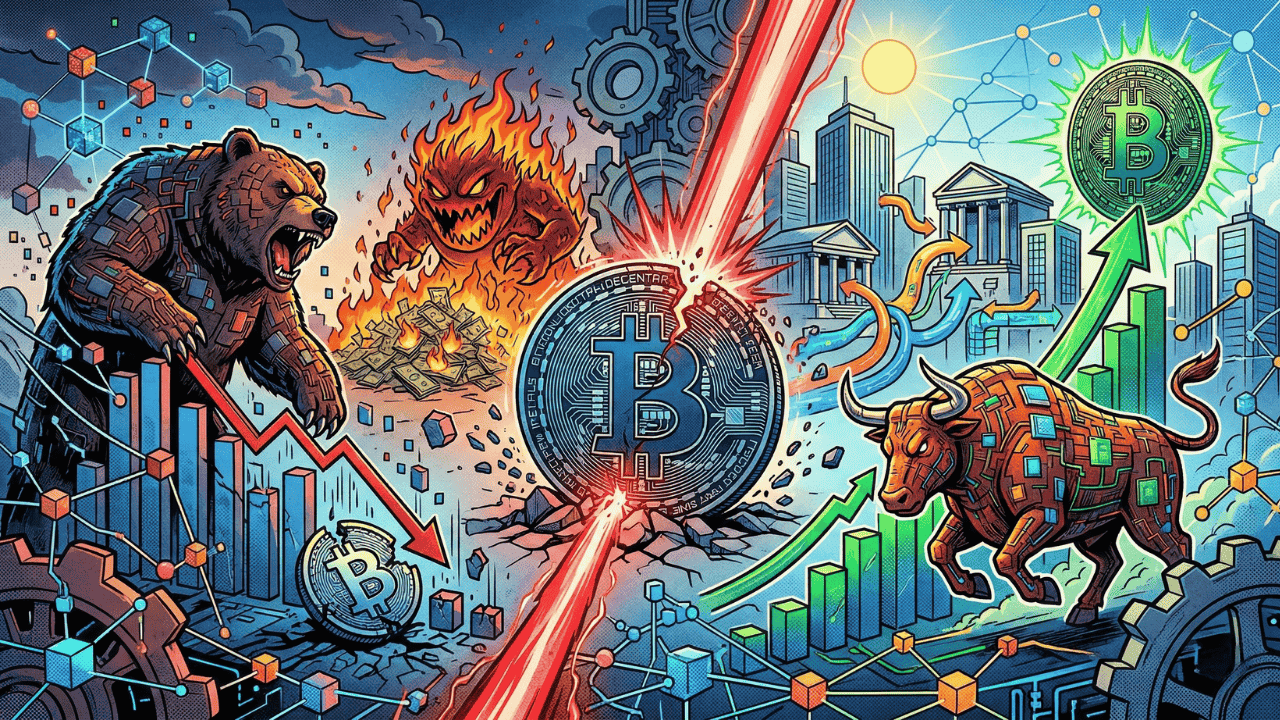
The Trump administration has imposed a 15% base tariff shaking the global trade order. This protectionist move has triggered extreme volatility, pushing Bitcoin below the 65,000 dollar level. Many investors mistakenly interpret this drop as the end of the current bull cycle under the new commercial rules.
However, the underlying reality suggests an unprecedented institutional Bitcoin strength without historical parallels. While the short-term market reacts with panic, large funds accumulate digital assets. Everything points to tariffs acting as the definitive catalyst for the next phase of growth in the digital economy.
The inflationary impact of new customs policies
Tariffs are essentially direct taxes that trigger domestic inflation inevitably in the long run. By making imports from China and Europe more expensive, the dollar’s purchasing power erodes quickly. In this context, Bitcoin’s programmed scarcity becomes an extremely attractive financial feature for sophisticated global investors.
According to recent reports on restrictive monetary policy, the Federal Reserve faces growing challenges. Price pressure forces them to maintain elevated interest rates longer than originally planned. This macroeconomic situation benefits assets that do not rely on the solvency of national governments or fiscal policies.
Under this prism, investors seek refuge in assets with inelastic and secure monetary policies. Reality suggests that the rising cost of physical goods drives rotation toward the digital economy. Bitcoin is positioned as the ideal reserve asset against the monetary degradation of the U.S. dollar today.
Institutional flows and crypto market resilience
Despite the uncertainty, global capital flows show a very solid accumulation trend. While retail speculators flee from risk, financial institutions reinforce their strategic positions. It is no coincidence that whales take advantage of these price levels to increase their exposure to the digital market.
The sector has experienced a 10% weekly drop that cleanses systemic leverage excess. This technical correction is necessary to establish a solid base before seeking new all-time highs. Far from being a definitive crash, we are seeing a wealth transfer toward strong hands and long-term holders.
In other words, current volatility is the toll for financial sovereignty and resilience. The adoption of products like institutional yield farming and rwa tokenization continues expanding globally. These technological advances ignore the physical barriers imposed by the current administration’s new trade tariffs and protectionist policies.
Historical precedents of trade tensions
To understand the present, we must analyze fractured international trade during previous commercial crises. In 2018, markets initially suffered before staging massive recoveries. History demonstrates that trade restrictions end up forcing expansive monetary intervention by central banks. This cycle is repeating itself with higher stakes.
Simultaneously, institutional investors today possess hedging tools for investors that did not exist eight years ago. The presence of regulated futures and options contracts allows for professional risk management. This robust infrastructure ensures that the market can absorb external shocks without collapsing the entire digital ecosystem.
The underlying reality suggests we are facing a historic buying opportunity for patient investors. Current panic is a mirage created by geopolitical uncertainty and protectionist rhetoric. Those who understand the cyclical nature of global liquidity will be the ones to benefit in the long term.
Regulation and the institutional framework in the US
The current digital investor protection focus is fundamental for market stability according to official press releases. While tariffs affect the physical economy, the regulatory framework for cryptocurrencies continues to mature. Clear regulation allows institutional capital to enter with greater confidence despite ongoing trade tensions.
However, a latent risk is the possible severe economic deflation predicted in specific industrial sectors. If consumption collapses due to high import costs, general liquidity could be affected. It is imperative to monitor how the administration balances tariff collection with real economic growth and market stability.
Sovereign debt, reaching 101% of national GDP, limits the Federal Reserve’s options. In a high-debt environment, inflation is often the preferred political exit for governments. Bitcoin, being a neutral asset, benefits directly from the loss of state confidence and the erosion of fiat purchasing power.
Bitcoin as the alternative settlement layer
The world is heading toward an increasingly fragmented and multipolar financial system. Trump’s tariffs accelerate the search for a neutral settlement layer that does not depend on national policies. Bitcoin fulfills this function perfectly, operating outside the control of physical customs and centralized government agencies.
According to the real asset performance analysis published by financial market experts, the correlation between Bitcoin and gold is strengthening. Both assets act as insurance against systemic instability caused by aggressive trade wars. Diversification into digital assets is not optional but a strategic necessity.
If ETF inflows persist above critical levels, the rally will continue forward structurally. The capitulation of retail investors usually marks the market floor in cycles of macroeconomic volatility. We are witnessing a total reconfiguration of the global financial map under the influence of new protectionism.
In conclusion, Trump’s tariffs do not represent the end of the cryptocurrency rally. On the contrary, they validate Bitcoin’s thesis as the ultimate haven asset against inflation. Current volatility is simply market noise before a much deeper and more significant structural consolidation for the entire industry.
If inflation remains high, Bitcoin will continue rising with force. The combination of a fixed supply and growing institutional demand is an unstoppable bullish driver. The future of the global financial system is being written today between data blocks and trade tariffs.
Those who ignore macroeconomic fundamentals risk losing unique opportunities. The market rewards those with the vision to look beyond daily sensationalist headlines. Bitcoin will remain the ultimate haven against the uncertainty caused by the aggressive government protectionism seen in this cycle.

