
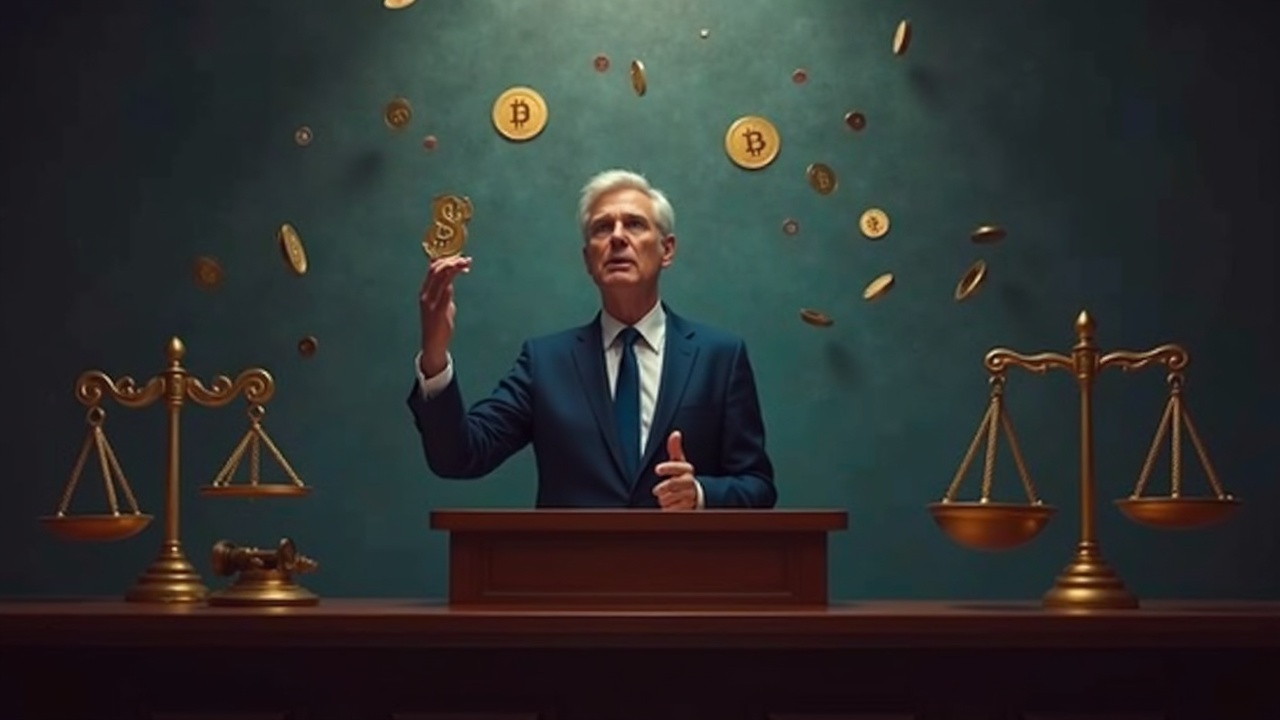
Republican Senator Tim Scott announced a crucial vote on the crypto market structure bill for this coming January 15. According to the Banking Committee chairman, this measure finally seeks to establish a solid regulatory framework for the industry in the United States. This announcement comes after months of intense negotiations that have yet to achieve full consensus among the country’s lawmakers.
Scott confirmed his intention to bring the project to a vote despite persistent tensions between Democrats and Republicans. For months, both parties have negotiated the technical details of this ambitious legislative proposal without total success. Therefore, this maneuver intends to force an official positioning of the legislators involved in the current regulatory process. The complexity of the text has delayed multiple deadlines previously established by the committee.
However, the current draft faces criticism for the lack of consensus on extremely sensitive points for the ecosystem. Disagreements include issues such as ethics rules for officials and stablecoin yields, which divide the committee. In this way, the vote will determine if there is enough support to move toward the Senate floor soon. The private sector nervously watches this accelerated progress that could define its legal future.
Critical challenges defining the future of American digital regulation
Sector advocates fear that a rushed vote could derail the chances of the bill’s success during this year. Likewise, experts in the field point out that the absence of a bipartisan agreement weakens the original legislative proposal. As a result, Senator Scott’s move is seen as a high-stakes political gamble for the leadership of the Republicans. The lack of a united front could doom the initiative before its final debate.
Among the most controversial aspects are the protections for decentralized finance software and open source code. The crypto market structure bill must resolve how to treat money transmitters without legal custody. Therefore, blockchain developers watch with concern the possible impact on the technological innovation of the country in North America. Tensions over national security and money laundering remains as insurmountable obstacles for now.
Can political pressure overcome the deep technical differences between the parties?
Additionally, the traditional banking industry is lobbying to modify current regulations regarding the yield of stable digital assets. This tension between classical and cryptographic finance complicates the final drafting of a balanced text and functional. However, Scott’s team maintains that multiple drafts have been distributed among all members of the committee. The senator’s urgency seems to ignore the warnings of Washington’s most influential lobbyists.
On the other hand, the prognosis for a favorable bipartisan vote seems to be quite reserved according to industry lobbyists. If the committee fails to reach a solid consensus, the crypto market structure bill will face a very uncertain path. Therefore, investors and companies await a signal of stability that allows for massive institutional investment. Regulatory uncertainty remains the biggest drag on the expansion of the modern financial market.
Finally, January 15 will mark a historical milestone for the regulation of digital assets in the United States. The outcome of the vote is expected to define the legislative priorities of Congress for the rest of the year. In this way, the international community will know if the world’s largest economy will adopt clear rules or remain in ambiguity. The outcome of this session will set a precedent for other developing global markets.

