
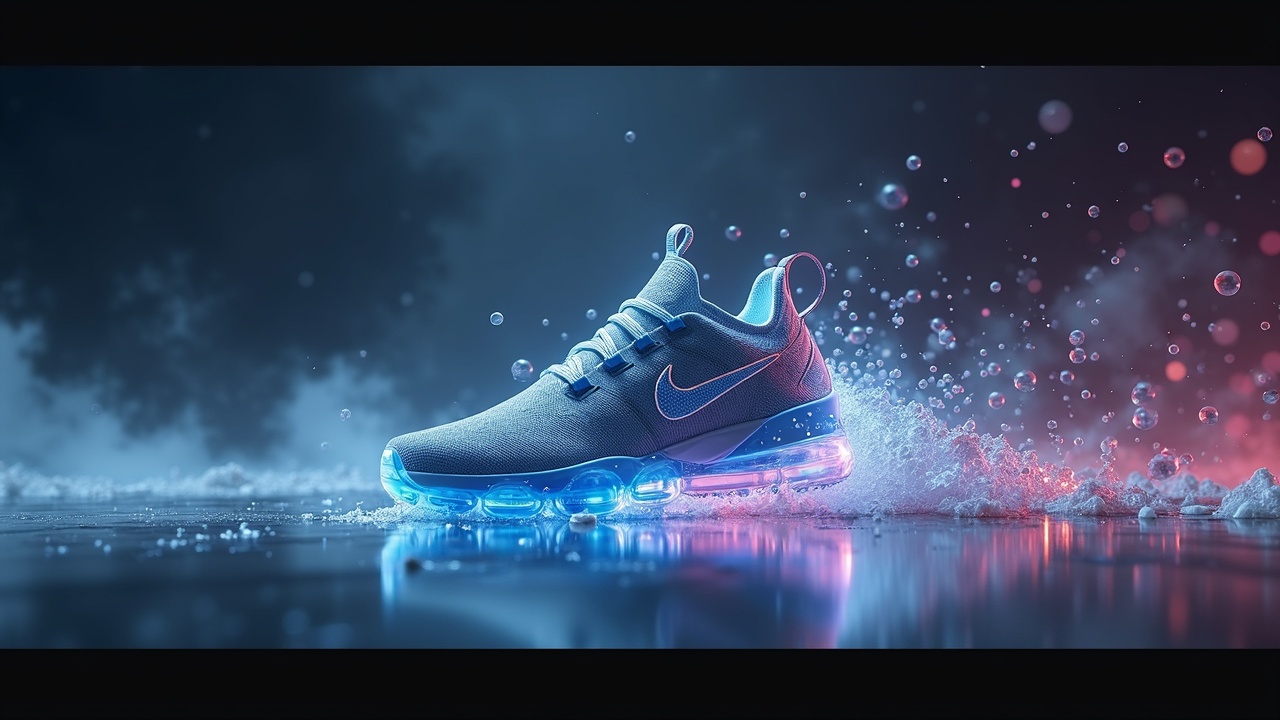
Nike has discreetly sold its digital products and non-fungible token (NFT) subsidiary, RTFKT, a year after ceasing its internal operations. This decision marks a definitive strategic shift for the company, moving away from the digital collectibles market to focus on its traditional business. The transaction took place on December 16, representing a new chapter for the brand’s virtual community.
Key Event/Announcement Details The sale of RTFKT, acquired by Nike in late 2021, occurs amid a broader contraction of the crypto-art sector globally. Although financial terms and the buyer’s identity were not disclosed, Nike described the move as a strategic refocusing toward its core physical sports products today. In this way, the company seeks to optimize its capital under the leadership of CEO Elliott Hill. Therefore, the focus will now be on rebuilding wholesale partnerships and the traditional sports performance of the global firm.
Additionally, the unit’s previous operational shutdown had already triggered significant legal tensions during the year 2025. A group of investors filed a class-action lawsuit alleging losses exceeding five million dollars after the shutdown of operations. Thus, this final sale seeks to close a cycle of high operational volatility for the American multinational. The company ensured, however, that it will continue to explore virtual environments through strategic partnerships with leading video game developers in the industry.
Context and Significance This retreat is not an isolated case but reflects a massive cooling of interest in artistic digital assets. On the other hand, the drop in trading volumes has forced platforms like X2Y2 to cease their commercial operations permanently. The cancellation of major events, such as NFT Paris 2026, confirms that the sector is undergoing a profound restructuring stage. Nike’s exit represents a milestone marking the end of corporate euphoria for decentralized metaverses in the market.
The withdrawal of major brands redefines the future of virtual e-commerce
Likewise, Nike’s strategy under its new management prioritizes a return to profitability through technical innovation in real sports footwear. On the other hand, the brand recognizes that the digital collectibles market requires a community infrastructure that does not fit its current mass model. In this way, the company prefers to delegate the creation of virtual experiences to partners specialized in the field of recreational software. This decision seeks to protect brand value against the instability of network-based assets.
Will token technology survive the exit of mass-market consumer giants?
Implications for the Market and Asset Therefore, the exit of such a relevant player could affect collector confidence in other similar nft projects. Although the underlying technology remains valid for authenticity, speculative value has suffered a considerable erosion this year. Thus, prices of digital collectibles could continue adjusting toward real utility levels rather than mere speculation. Investors are now looking for projects that offer tangible benefits within functional gaming or digital fashion ecosystems.
Conclusion and Future Outlook Nike states it will continue to invest in innovative products through combined physical, digital, and virtual environments efficiently. However, the direct digital ownership model seems to be losing ground to experiences integrated into existing platforms. As a result, the future of virtual fashion will depend on the ability to integrate with video games of global scale. The “swoosh” brand makes it clear that its absolute priority is back on the asphalt and the sports courts.

