
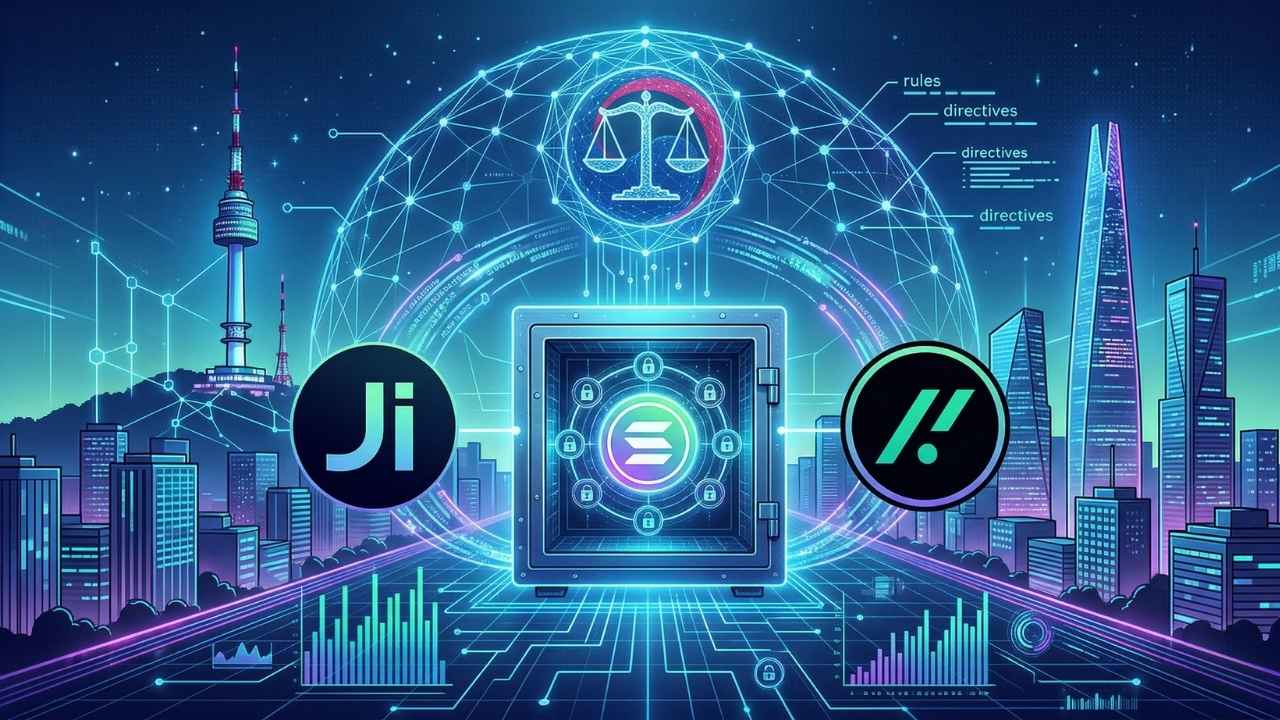
The Jito Foundation and South Korean custodian KODA signed a memorandum of understanding this Monday to enable JitoSOL staking for institutional investors. According to a Jito official announcement, the partnership aims to build regulated custody pathways while the Financial Services Commission (FSC) finalizes its digital asset framework later this year. This move targets local corporate treasuries seeking to earn yield through Solana-based digital assets.
This collaboration is not an isolated event in the Asia-Pacific region. In February 2026, the foundation established a partnership with Hanwha Asset Management to explore an exchange-traded fund (ETF) based on this token. KODA, backed by KB Kookmin Bank, provides infrastructure featuring 20 million dollars in insurance coverage and MPC-based key management. The technical integration will allow institutional clients to mint JitoSOL directly from SOL holdings via KODA’s interface, ensuring compliance with local financial regulations.
Currently, JitoSOL holds a market capitalization of approximately $930 million, establishing itself as the leading liquid staking protocol on the Solana network. While the asset already has institutional exposure in Europe through a 21Shares product, adoption in South Korea has been slower due to regulatory friction. However, KODA’s infrastructure, which holds VASP and ISMS licenses, offers the security environment required by commercial banks.
Expanding custody solutions for institutional investors in Asian markets
The shift toward institutional staking occurs during a period of intense regulatory pressure in Seoul. Following the Bithumb payout error in February, where Bitcoin units were accidentally distributed instead of won, authorities have ramped up oversight of reserves. This context explains why Jito is prioritizing partners like KODA, which operate under strict balance sheet reconciliation standards. The South Korean market seeks to professionalize the sector to prevent incidents affecting ecosystem liquidity.
From a structural impact perspective, the entry of large financial firms into Solana staking changes network governance dynamics. It is not just about accumulating rewards; institutional validation provides a layer of legitimacy needed for capital from pension funds and insurance companies. Unlike 2022, when intermediary trust collapsed, the current model relies on delegated self-custody with banking oversight.
It is essential to monitor how South Korea integrates these services under the new classification of stablecoins as payment instruments. Legislation being drafted this month could require tokenized real-world assets to be backed by trust-held deposits. JitoSOL, as a staking derivative, must navigate these definitions to avoid being classified as an unregistered security under future FSC guidelines for the blockchain.
The Jito Foundation roadmap suggests that the next step will be integration with more wealth managers in Singapore and Hong Kong. For now, the focus remains on completing South Korean audits before the end of the second quarter. Investors should watch for the final publication of the FSC framework, expected by late 2026, as it will determine if commercial banks can expand direct exposure to these protocols.
This article is for informational purposes and does not constitute financial advice.

