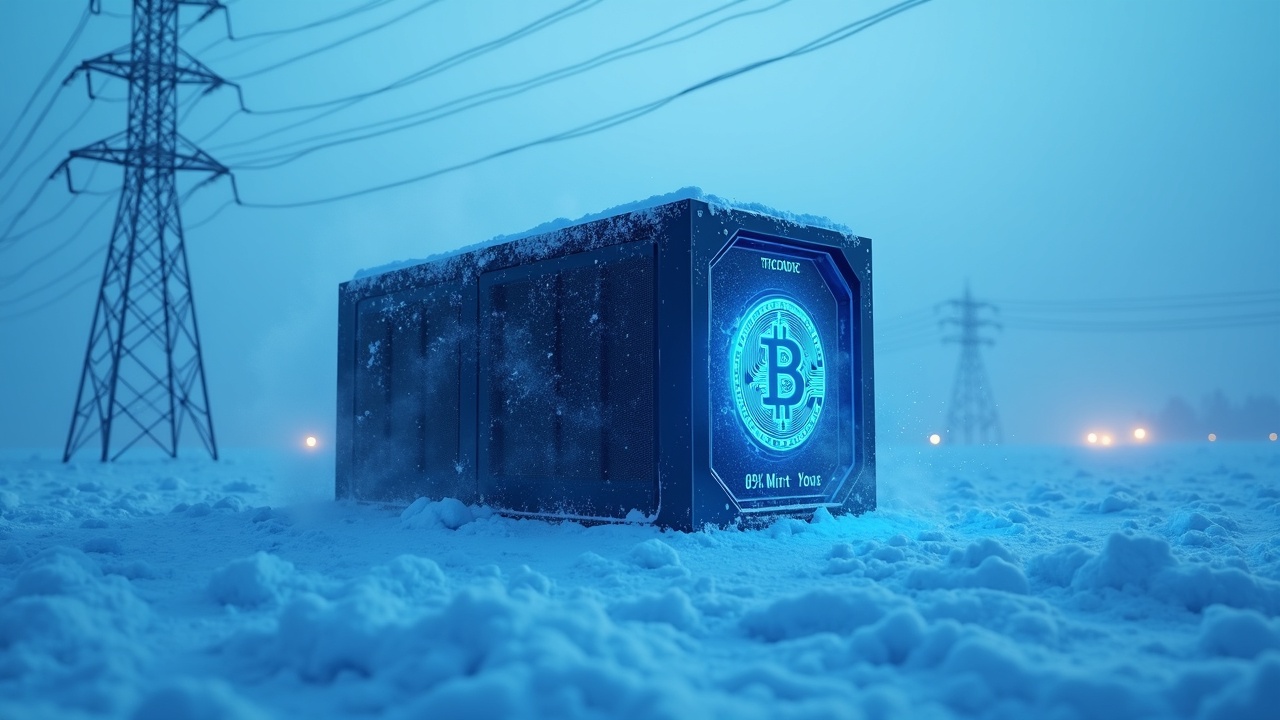
Due to the devastating impact of winter storm Fern in the United States, the Bitcoin processing power supplied by the Foundry USA pool suffered a 60% drop since last Friday. According to technical reports from TheMinerMag, this massive disconnection has caused block production to slow down significantly, reaching intervals of up to twelve minutes.
This phenomenon, which responds to the need to relieve the load on the national electrical grid, has removed nearly 200 exahashes per second (EH/s) from the global system. Despite this temporary setback, Foundry USA maintains a dominant position by controlling 23% of the global market, according to the latest data provided by the Hashrate Index portal.
Likewise, the cessation of activities has affected other relevant providers such as Luxor, evidencing the magnitude of a meteorological event that affects more than one million American residents. The storm, which extends for 1,800 miles, has forced operators to prioritize energy supply for domestic consumption and basic services.
Miners as load regulators in the face of national energy emergencies
On the other hand, digital asset miners function as a controllable load resource, allowing public electrical infrastructure to be balanced during critical demand periods. By voluntarily turning off their machines, these actors facilitate the flow of energy to homes, avoiding major collapses in the electricity distribution system.
In this way, mining technology demonstrates its ability to integrate with the electrical grid, acting as a buffer against extreme consumption peaks. However, excess energy during periods of low demand can also damage components, so miners absorb dangerous surpluses when the grid requires it.
What impact will this temporary drop have on network security?
Since the Bitcoin network depends on computing power to secure the proof-of-work protocol, the reduction in hashrate temporarily raises confirmation times. However, the decentralized structure of the system allows the network to remain operational, adjusting its difficulty to compensate for the absence of North American-based miners.
Finally, activity is expected to normalize once weather conditions allow for the full restoration of electrical service in the Midwest and Northeast. Meanwhile, the market observes how Bitcoin processing power fluctuates in the face of climatic challenges, reaffirming that mining is a strategic ally for the stability of modern electrical grids.