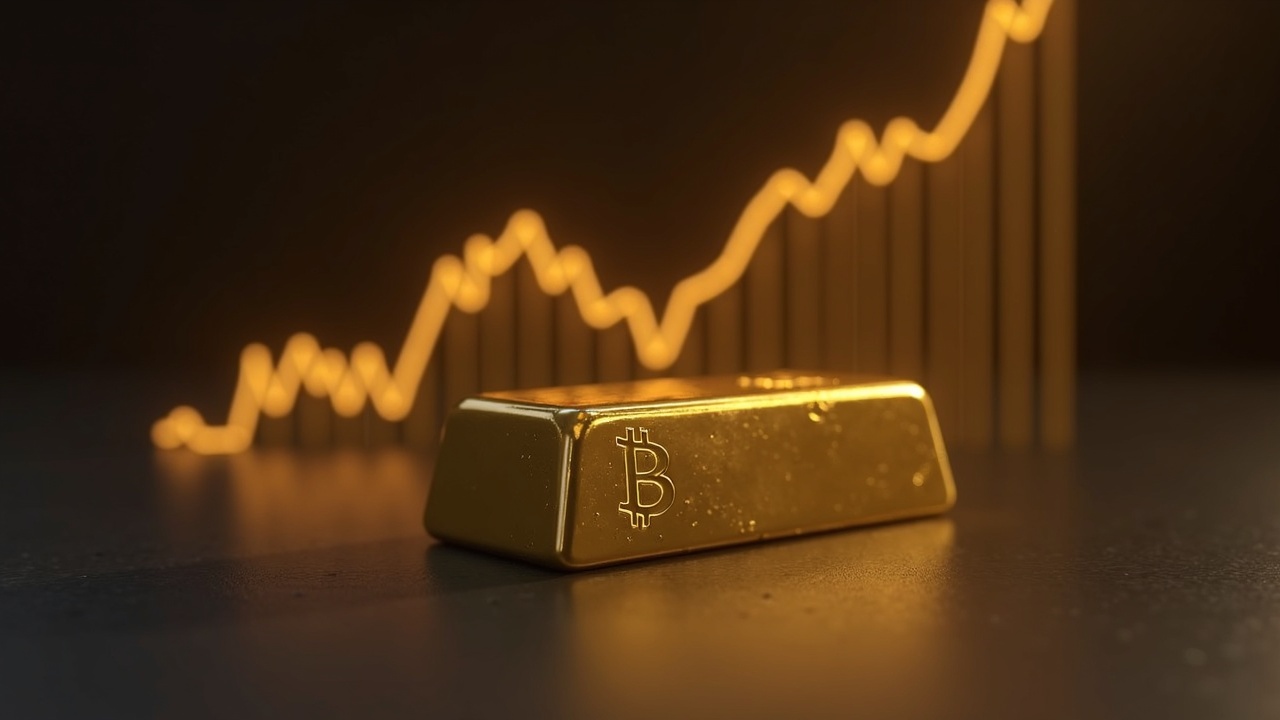
Driven by an increase of 17% during the current month of January, the gold price above 5,000 dollars has established an unprecedented milestone in global financial markets. According to reports issued by the Gold Price platform this Monday, the price reached 5,080 dollars, reflecting a clear preference of investors for traditional safe-haven assets over digital volatility.
This dizzying rise, which occurs while Bitcoin experiences a significant correction towards 86,000 dollars, responds directly to the growing uncertainty generated by international trade tensions and the latent possibility of a government shutdown in the United States. The situation has been aggravated by recent tariff warnings issued by the Donald Trump administration, which have weakened confidence in the stability of Treasury bonds.
Likewise, the market has reacted with caution to the possibility that the Federal Reserve will maintain interest rates unchanged, based on employment and growth data that, paradoxically, foster the transfer of capital towards precious metals. Jeff Mei, chief operating officer of the BTSE exchange, has noted that fear of administrative paralysis in Washington is fueling the appetite for tangible and safe assets.
The strength of traditional assets in the face of fiscal uncertainty
On the other hand, silver has also followed this bullish trend by exceeding, for the first time in history, the barrier of 107 dollars per ounce, accumulating an impressive growth of 48% so far in 2026. This dynamic has allowed gold to win the symbolic race against Ether on the Polymarket betting platform, where users speculated on which asset would reach five thousand dollars first.
In contrast, the main cryptocurrency in the market has erased annual gains after falling to five-week lows, trading 30% below its peak recorded in October. While gold has managed to appreciate by 83% in year-on-year terms, Bitcoin shows a decline of 17% in the same analyzed period of time, evidencing a total disconnection between both sectors.
What consequences will this distancing between gold and digital assets have?
Considering that international investors show a lower inclination towards Treasury bonds due to tensions with trading partners such as Canada, the liquidity flow seems to concentrate in the metallurgical sector. In this way, the historical correlation that some analysts tried to draw between “digital gold” and physical gold seems to have broken under the pressure of current geopolitical conflicts.
Finally, the outlook for the coming months depends closely on the resolution of tariff conflicts and the ability of the US Congress to avoid the cessation of government functions. It is expected that, as long as political noise persists at the borders and in Washington, the refuge in the gold metal will continue to be the predominant strategy, leaving digital assets in a position of technical vulnerability.