
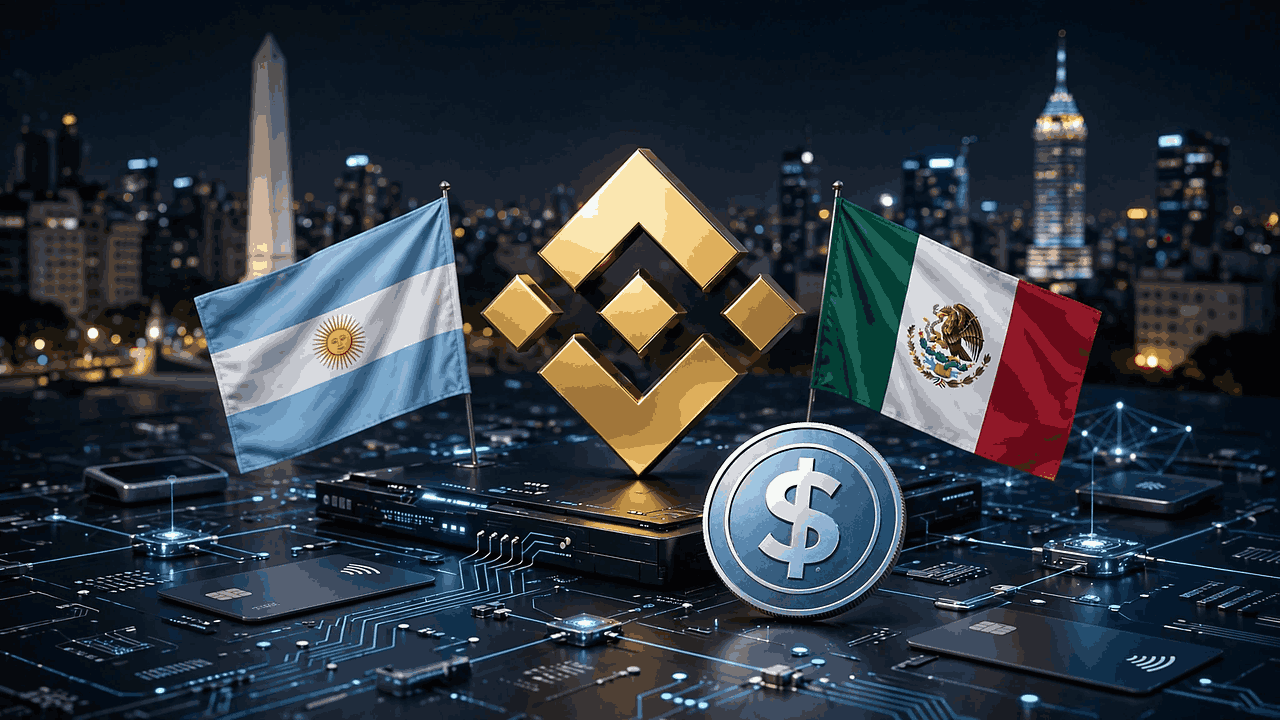
Exchange Binance launched its Pay Later feature on November 16, 2026, introducing a line of Binance Pay Later crypto-backed credit initially available to eligible users in Argentina and Mexico.The product provides a spending limit of up to 1,000 USDC secured by Bitcoin (BTC), Ether (ETH), or BNB holdings without requiring users to sell their underlying digital assets.
Purchases made through this feature carry zero interest if the outstanding balance is repaid by the first day of the following calendar month.
Collateral terms, interest rates, and liquidation rules
According to the official Binance support FAQ, borrowing is capped at an initial loan-to-value (LTV) ratio of 50% of eligible collateral. Practically, a user must hold $2,000 worth of eligible cryptocurrencies to unlock the maximum 1,000 USDC credit line.
Pledged assets are locked in the user’s Spot or Flexible Earn account upon completing a purchase, preventing those tokens from being traded or withdrawn while backing an active balance.
If a borrower misses the monthly repayment deadline, Binance provides a one-day grace period. After that window expires, overdue balances accrue interest at 0.1% per day, compounded daily.
Market volatility introduces direct liquidation risk for borrowers. Binance stipulates that it can execute an automatic liquidation of collateral when the outstanding loan reaches 90% of the collateral’s value, even prior to the monthly repayment due date.
Payment channels and regional rollout
The credit line connects directly to the exchange’s existing payment infrastructure, enabling transactions at physical and online merchants via the Binance Card and QR code payments through Binance Pay.
Unlike conventional lump-sum loans, credit is drawn strictly for the exact transaction amount at the moment a purchase is executed.
Thomas Gregory, vice president of payments and fiat at Binance, stated that traditional consumer credit relies heavily on income documentation and formal credit histories, leaving individuals who hold digital assets without formal credit files with fewer financing options.
The exchange has maintained active treasury and reserve strategies alongside product expansion, such as instances where Binance buys Bitcoin for SAFU to reinforce user protection funds.
Concurrently, infrastructure tied to the broader ecosystem continues to expand financial utility, as BNB Chain redefines tokenized assets across institutional markets.
Following the initial rollout in Argentina and Mexico, Binance stated it plans to gradually expand Pay Later to additional jurisdictions, though exact dates and upcoming countries have not yet been disclosed.
This article is for informational purposes only and does not constitute financial advice.