
Key Highlights:
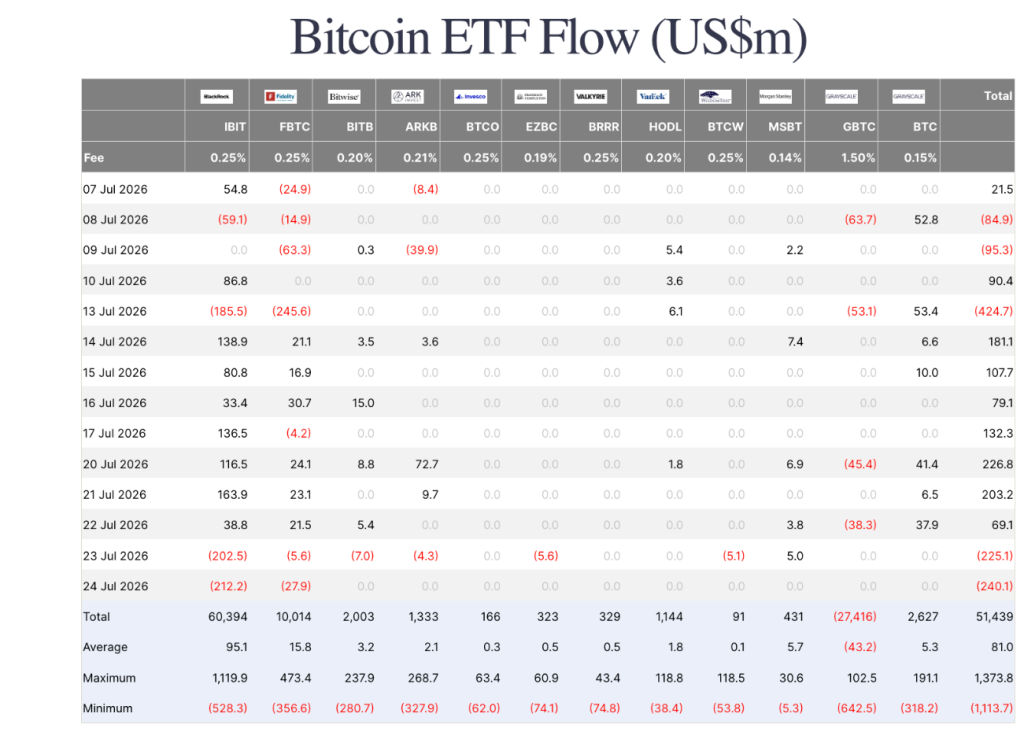
- U.S. spot Bitcoin ETFs attracted about $999.3 million across seven positive sessions from July 14 to July 22.
- Nearly $465.2 million left the funds on July 23 and July 24, reducing the weekly net gain to about $33.9 million.
- Weak altcoin performance, lower spot volume, falling stablecoin value, and cautious on-chain activity showed that the recovery remained narrow.
Bitcoin ETF inflows often create a strong market headline. Large daily totals can suggest that confidence has returned and that the crypto market has started a new upward phase. That reading can miss an important detail: the funds measure demand for Bitcoin exposure, not demand for every crypto asset.
A wider recovery needs more than rising Bitcoin fund flows. It also needs stronger spot trading, broader altcoin gains, stablecoin growth, and better on-chain activity. Recent July data shows that Bitcoin demand improved for several sessions, while other parts of the market remained weak or cautious.
Bitcoin ETF Inflows Can Lift One Asset
Bitcoin ETF inflows often show that investors want regulated exposure to Bitcoin. They do not show that money has spread across the wider crypto market. A spot Bitcoin ETF tracks one asset. Its buying can support Bitcoin while Ether, large altcoins, and smaller tokens remain weak. That makes ETF data useful, but narrow.
The latest flow pattern shows this limit. U.S. spot Bitcoin ETFs recorded seven positive sessions from July 14 through July 22. Those funds attracted about $999.3 million during that run. The streak looked strong in daily headlines, yet it measured demand for Bitcoin products rather than demand for crypto as a whole.
The same data also shows why one inflow streak cannot confirm a lasting recovery. Farside Investors recorded $225.1 million in net outflows on July 23. Another $240.1 million left the funds on July 24. Those two sessions removed almost half of the money added during the prior seven-session run.
Source: Farside
The full week gives a clearer picture. The funds gained $226.8 million on July 20, $203.2 million on July 21, and $69.1 million on July 22. The next two sessions cut the weekly net gain to about $33.9 million. A strong midweek total therefore ended as a small weekly increase.
Altcoins and Market Breadth Tell a Different Story
A broader crypto recovery needs wider participation. Glassnode reported on July 22 that altcoins were losing ground against Bitcoin again. It also said capital was concentrating in Bitcoin while its market gauge remained in a repair phase and still showed risk-off conditions.
Glassnode also said Bitcoin spot trading stayed subdued on July 20. On-chain capital flows remained cautious, while speculative participation stayed contained. These conditions can support a Bitcoin rebound, but they do not show strong demand across exchanges, networks, and smaller assets. Market breadth remains a key test.
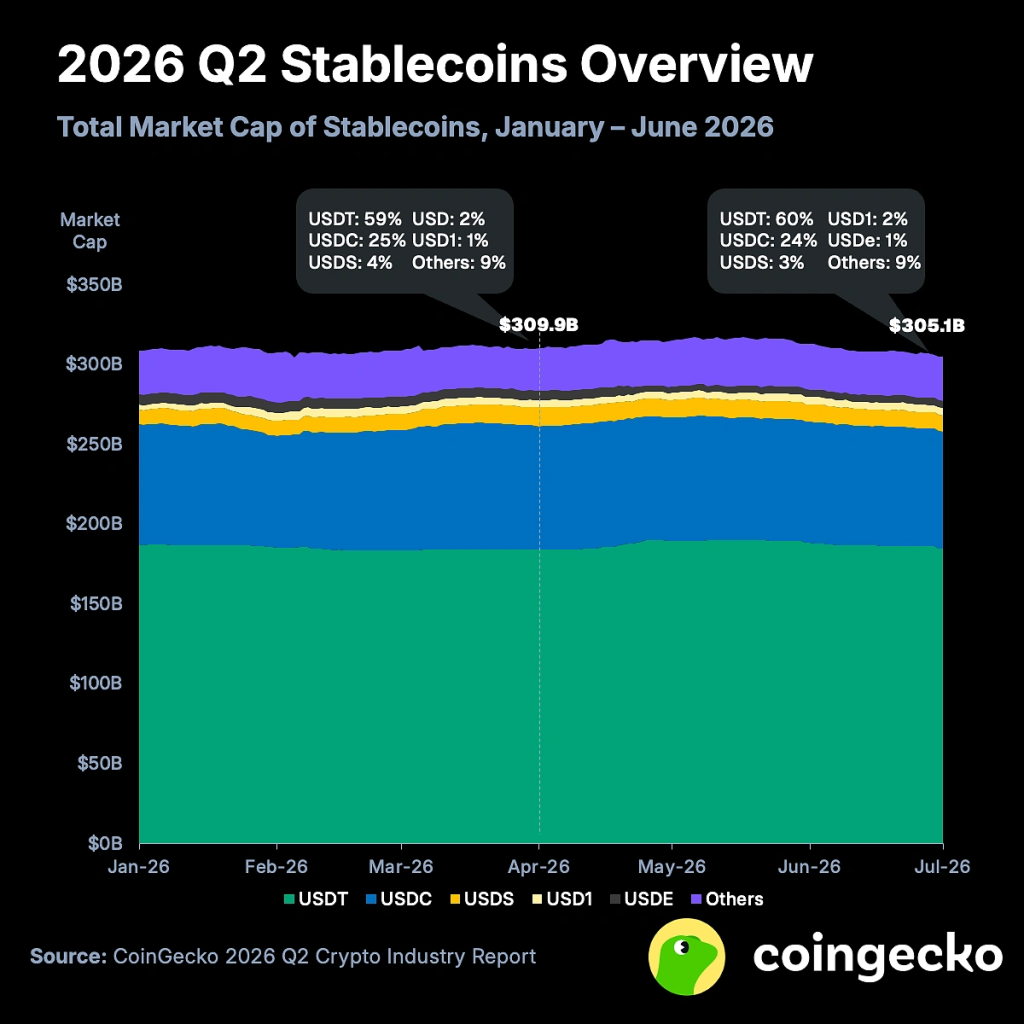
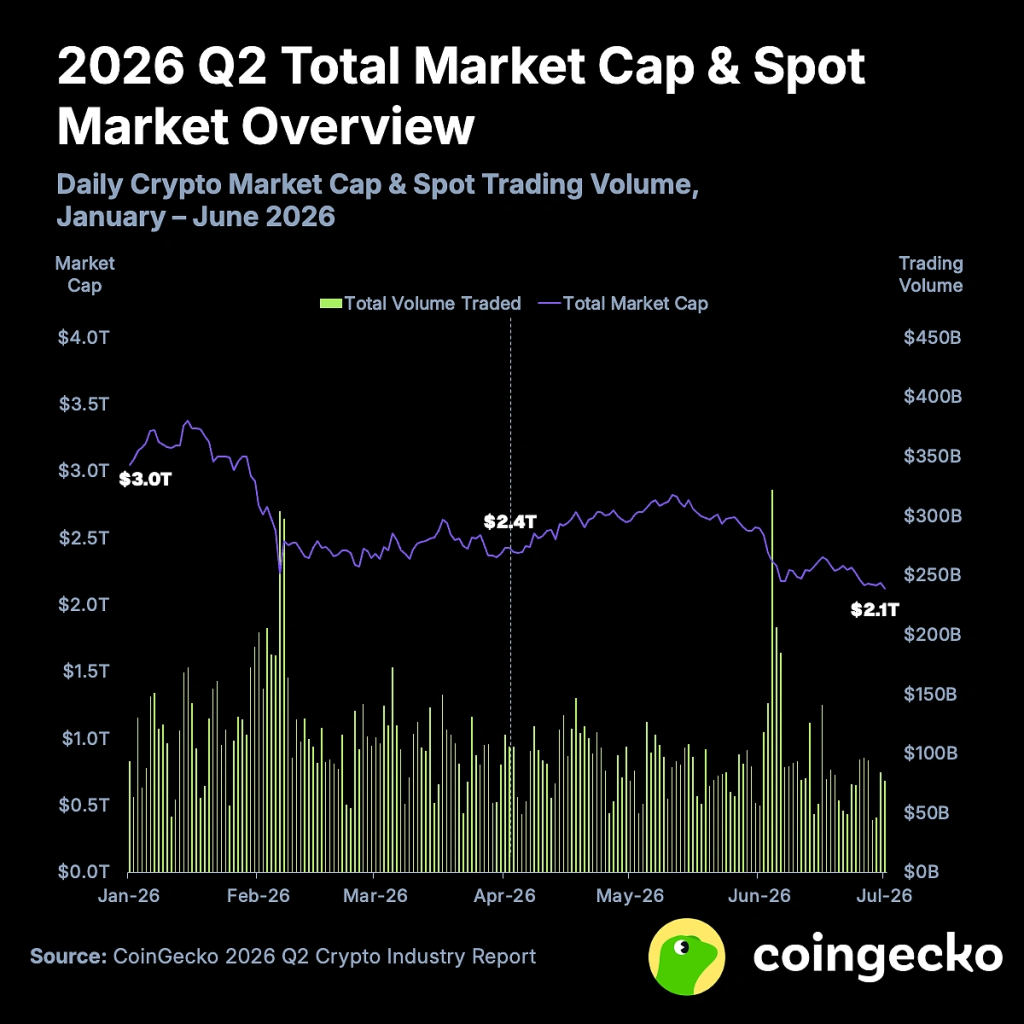
CoinGecko’s latest quarterly report adds more context. The total crypto market value fell 12.6% during the second quarter and ended June at $2.1 trillion. Stablecoin market value also fell 1.6% to $305.1 billion. A drop in stablecoin supply can indicate less capital available within the crypto system.
Source: CoinGecko
Trading activity also weakened. CoinGecko said spot volume across the ten largest centralized exchanges fell 27.9% from the first quarter to $1.95 trillion. Average daily crypto trading volume fell 20.9%. ETF demand can help Bitcoin during such periods, but lower exchange activity shows that many traders have not returned.
Source: CoinGecko
ETF flows work best as one part of a larger market check. A stronger recovery would include steady Bitcoin demand, rising spot volume, wider altcoin participation, stablecoin growth, and improving on-chain activity. It would also need inflows that last for several weeks rather than a few trading sessions. The July data shows a selective rebound. Bitcoin gained support from institutional products, but the wider market still showed weak breadth and cautious capital use.