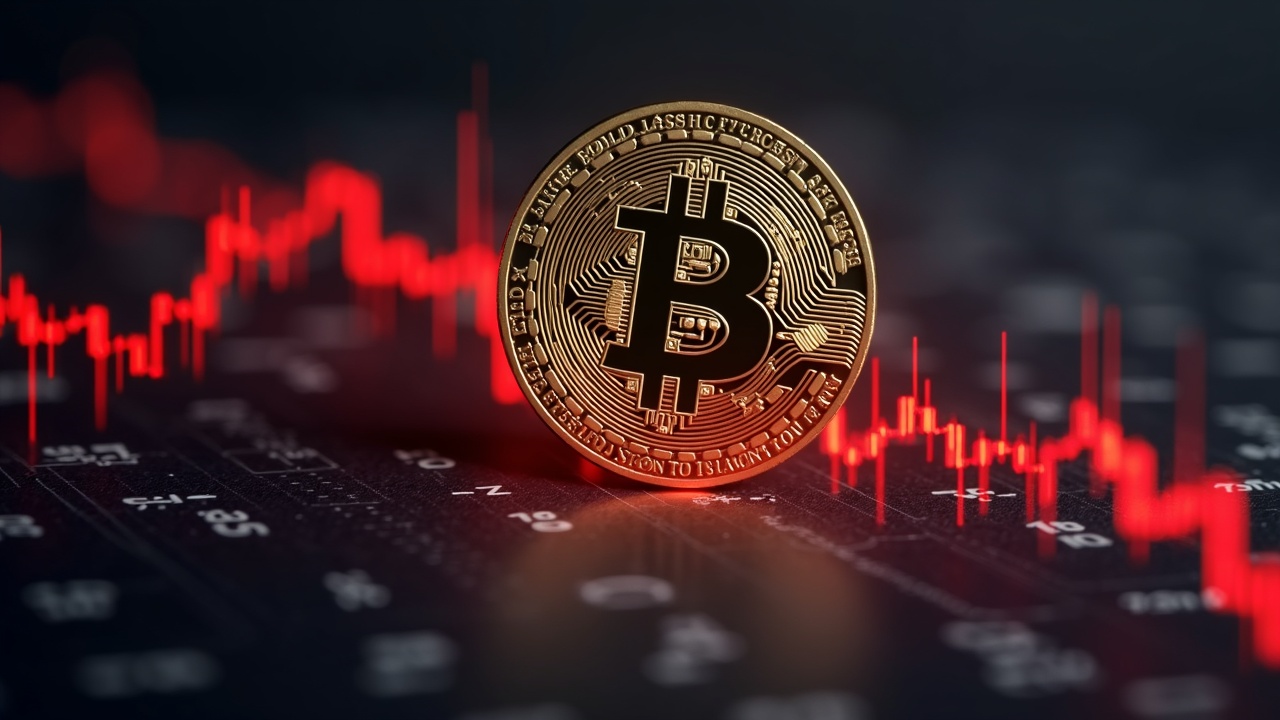
The digital asset market has suffered a sharp setback following President Donald Trump’s recent announcement of tariffs on eight European nations. This unexpected geopolitical event triggered massive cryptocurrency liquidations totaling 875 million dollars in just 24 hours, severely impacting price stability across the board.
According to a report by journalist Anas Hassan, Bitcoin experienced a 3% decline, settling at the 92,000 dollar mark as traders sought to reduce their risk exposure. Since the tariff shock, motivated by tensions over Greenland, forced the unwinding of 90% of long positions during thin holiday trading, volatility spiked significantly.
On the other hand, CoinGlass data reveals that long positions were the hardest hit, with 788 million dollars wiped out, compared to only 83 million in short positions. In this way, it is clear that investors were caught off guard while betting on an uptrend, which exacerbated volatility across major exchange platforms.
Likewise, the response from the Old Continent has been swift against what they consider unprecedented economic blackmail from the United States. European leaders have convened emergency meetings, while French President Emmanuel Macron has already suggested activating trade defense instruments to restrict American access to the European market.
Can the sector recover if trade tensions between the United States and the European Union escalate?
As diplomacy becomes strained, the impact has extended beyond the leading cryptocurrency, affecting stock futures in both Wall Street and Europe. However, gold has reacted inversely, rising 1.5% to reach new record highs as capital seeks safety amid global uncertainty.
Meanwhile, analysts from institutions like Deutsche Bank warn that the real risk lies in a possible “weaponization of capital” that could disrupt transatlantic financial flows. Therefore, market stability will depend on whether these threats materialize into executive orders or remain as an aggressive political negotiation tactic.
Despite the initial pessimism, some strategists suggest that this deleveraging phase could build a stronger technical support for future price recoveries. The crypto market faces a resilience test against external macroeconomic factors. Therefore, investors must closely monitor the tariff implementation scheduled for the upcoming February 1st.
Finally, the resolution of this trade conflict will determine the direction of risk assets during the first half of 2026. Volatility will persist while there is no clarity regarding trade relations between both powers. While open interest in futures attempts to recover, caution prevails among large digital asset holders worldwide.